Caregiver Burnout: 10 Practical Ways to Look After Yourself
You cannot pour from an empty cup. Learn to spot the early signs of caregiver burnout and put simple routines in place that protect your own wellbeing.
Read article
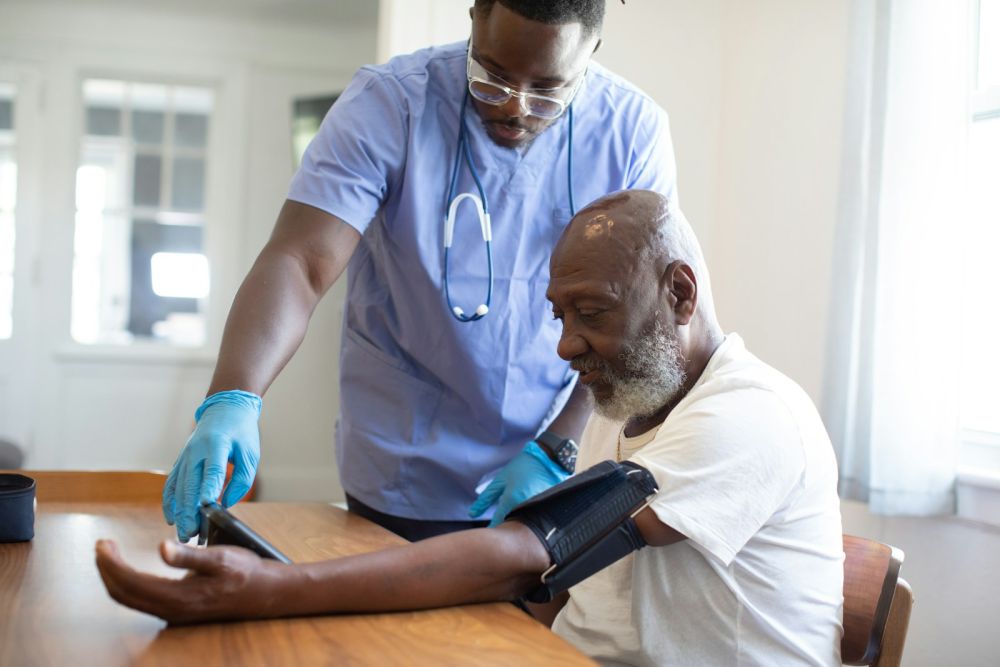
Many Kenyan families choose to care for elderly or recovering relatives at home. Caring for a bedridden patient at home is an act of love, but it is also demanding. With the right routine and supplies, you can keep your loved one clean, comfortable and safe while protecting your own wellbeing.
Tape-style diapers are easiest for bedridden people because they can be changed while lying down. Reliable choices include TENA Slip, Adfit and Senior adult diapers, which offer up to 12 hours of protection. Pair them with a bed pad for extra security overnight.
Offer small, frequent meals rich in protein, fruit and vegetables, and encourage regular sips of water. Nutritional supplements can help when appetite is low — ask a health professional which is suitable. See our nutrition tips for seniors.
Gentle range-of-motion exercises, sitting up for meals, conversation, radio and visits from family all support physical and mental health.
Buying in bulk — such as the 30-piece diaper packs — saves money and trips to the shop.
Caregiving is a marathon. Share tasks, rest when you can and ask for help. Read our guide on avoiding caregiver burnout.
| Time | Care task |
|---|---|
| 7:00 AM | Diaper change, wash face and hands, oral care, reposition |
| 8:00 AM | Breakfast sitting up, medication |
| 10:00 AM | Bed bath, full skin check, fresh bed pad, gentle exercises |
| 12:30 PM | Lunch, drinks, diaper change |
| 3:00 PM | Reposition, snack, conversation or radio |
| 6:00 PM | Supper, medication, diaper change |
| 9:00 PM | Night-time diaper and bed pad, reposition |
Adapt the routine to your loved one's needs and energy levels — the goal is predictability, which reduces anxiety for both of you.
Contact a nurse or doctor if you notice a pressure sore that is broken or blistered, a fever, reduced eating or drinking for more than a day, sudden confusion, or difficulty breathing. Many Kenyan hospitals and private agencies also offer home-visit nurses who can train family caregivers.
Usually between four and six, depending on fluid intake and the absorbency of the product.
Yes. Many families order monthly from Adaptive Picks with delivery to their door and payment on delivery.
 Caregiver Resources
You cannot pour from an empty cup. Learn to spot the early signs of caregiver burnout and put simple routines in place that protect your own wellbeing.
Read article Mobility & Equipment
Most falls happen at home and most are preventable. These 12 simple changes make a big difference to the safety and independence of older relatives.
Read article Elderly Care
What we eat and drink has a direct effect on bladder control and bowel health. These simple nutrition tips help seniors feel better every day.
Read article